
What is a Brain Bank?
- Bonani Gupta
- Oct 9, 2022
- 4 min read

Updated: Feb 22, 2023
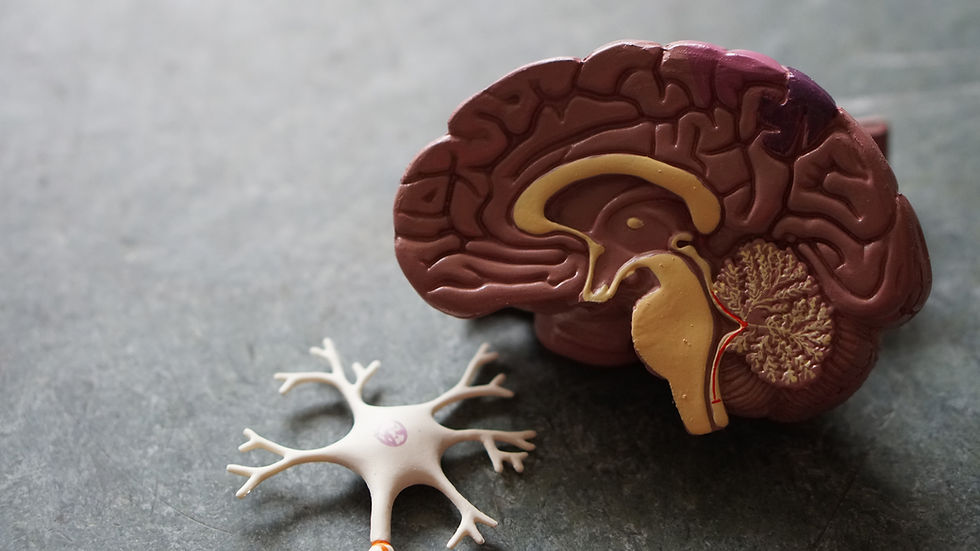
Human beings have numerous organs inside their body but the brain is the most important and the controller of the human body which helps in voluntary and involuntary functions. It is the most complex organ and a lot of areas were yet to be discovered regarding its functions and disease mechanisms. The availability of brain tissues for research was not adequate and this was blocking the way of the researchers to study the human brain. And to overcome this inadequacy, brain banks were born. Brain Banks, also known as ‘BBs’ are largely spread worldwide which acts as a reservoir for brain tissue samples and brain parts helping researchers to get a broader perspective of understanding the human brain apart from studying lower animals. The brain banks were especially proposed for collecting the human central nervous system (CNS) tissue samples with the assistance of donor programs and national health systems.
THE WORLD’S FIRST BRAIN BANK
According to Cathy Gere, the world’s first brain bank was established in the late 19th century after the West Riding Lunatim Asylum in Yorkshire and pathologist W. Lloyd Andriezen was appointed and he prepared to attain brains of more than 100 patients and unlike other scientists who used to focus on brain neurons, he focused on studying the brain’s glial cells with the help of stored brains in the brain banks as a first detailed study.
BRAIN BANK IN INDIA
In 1995, the first brain bank in India was established at NIMHANS (National Institute of Mental Health and Neuroscience) in Bangalore, Karnataka. It contains over 150 samples of the human brain. The brains are donated for scientific research by the families of the deceased. It is the only brain research centre/brain bank in India of its kind till now.
USES OF BRAIN BANKS
The brain banks are used to contribute to understanding neurological diseases and disorders in a better way. Thousands of samples are sent on to all the brain banks to explore the causes and treatments of disorders such as Alzheimer’s, addictions and Parkinson’s etc. The postmortem brain tissues had provided crucial resources for opening the gate for possible solutions for various disorders. For example, a few years back by the method of trial and error researchers and physicians prescribed different types of substances and medications and in the end, they discovered neurological medications such as lithium which is used to treat bipolar disorders. It helps neuroscientists in studying brain injuries, medical researchers in studying diseases such as Parkinson’s or Alzheimer’s and people who are studying psychiatric diseases like schizophrenia. They only have to contact the brain banks and they are provided with the brain samples free of cost. The different parts of the brain are enclosed in different pouches along with their names and diseases as labels on them and are preserved in a cold storage box or room whenever required the researchers can contact the brain banks for taking a sample for research purposes.
PROCEDURE OF BRAIN DONATION IN BRAIN BANKS
The brain donation process in brain banks has a few steps that are followed consciously. It includes the consent of a few parties – The donor’s family (such as a spouse, father, son etc.), pathology specialist, funeral home, hospice agency (if applicable), care facility (if applicable), brain bank and brain support network (BSN).
The first step is taken by the donor’s family in which they do an enquiry to the brain support network who helps the donor’s family to understand the basic information, requirements and the whole process of brain donation. When the donor or the donor’s family makes up their mind to donate the brain and the donor gets admitted to the hospital, the donor’s family informs the BSN. Then the BSN investigates the donor’s identity, location and the cost of brain donation in that area. This step may take 30 minutes to several days. After the donor’s family decides that they are ready to donate the donor’s brain then they share the donor’s name and family details with BSN. Then on the basis of that the BSN prepares detailed instructions for the family, pathology provider, funeral home, and hospital or care facility. This step may take a few hours to several days depending on the urgency. After that, the donor’s family signs the consent paper along with other important documents and sends them back to the BSN and it may take 30 minutes to several days. Then, the BSN shares detailed instructions with the parties mentioned above and sometimes they also involve the body donation parties. Then the next step comes where the donor’s family sends all the medical records and family reports to the BSN. And the BSN informs the brain bank about the intention of brain donation and also shares the records and reports sent by the donor’s family. A few hours or days before the donor’s death approaches, the donor’s family contacts and confirms the exact amount to be paid to the pathologist and the BNS reassures the arrangements after a definite time flow. After the death of the donor, the family informs the same to BNS and the BNS ensures that the brain donation process is successful after completion of the process they inform the family about the same.
References


Comments